Regular Cleaning: The Smart Way to Keep Spaces Fresh, Healthy, and Welcoming
Why Regular Cleaning Matters for Every Space
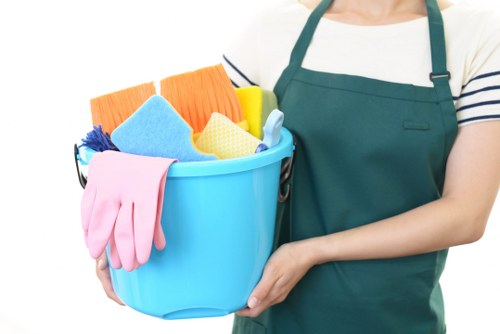
Regular cleaning is more than a cosmetic habit; it is the foundation of a healthier, more organized, and more comfortable environment. Whether you are caring for a home, office, retail store, rental property, or shared facility, consistent cleaning helps preserve surfaces, reduce clutter, and create a space people actually enjoy being in. A clean space can influence mood, productivity, and even the way visitors perceive your business or household.
Many people think of cleaning as something to do only when dirt becomes visible. In reality, regular cleaning prevents buildup before it becomes a bigger problem. Dust, grease, bacteria, mold, and allergens can accumulate quickly, especially in busy environments. When cleaning is done on a routine schedule, tasks become easier, results last longer, and the overall maintenance burden decreases.
From an SEO perspective, the phrase regular cleaning is closely connected with terms like routine cleaning, scheduled cleaning, housekeeping, janitorial maintenance, sanitation, and preventative care. These ideas all point to the same goal: maintaining a space that looks good, feels good, and functions properly over time.
The Real Benefits of Regular Cleaning
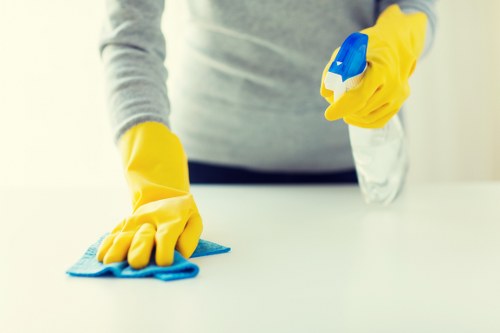
One of the biggest advantages of regular cleaning is improved health and hygiene. Surfaces that are wiped down consistently are less likely to harbor germs, and floors that are vacuumed or swept on a schedule are less likely to trap dust and allergens. This matters in homes with children, elderly family members, or anyone with asthma or allergies. It also matters in workplaces where employees spend long hours in the same environment.
Another important benefit is preservation. Dirt and grime can wear down flooring, countertops, upholstery, and fixtures if they are left unattended. Over time, this can lead to discoloration, staining, and costly repairs. Regular cleaning supports better long-term care, making your investment last longer and reducing the need for aggressive restoration later.
A third benefit is appearance. A tidy, well-maintained space sends a clear message of professionalism and care. In a commercial setting, this can improve customer trust and employee morale. In a residential setting, it helps create a calm and pleasant atmosphere. For many people, the visual impact of regular cleaning is reason enough to stay consistent.
How Regular Cleaning Supports Health and Wellness
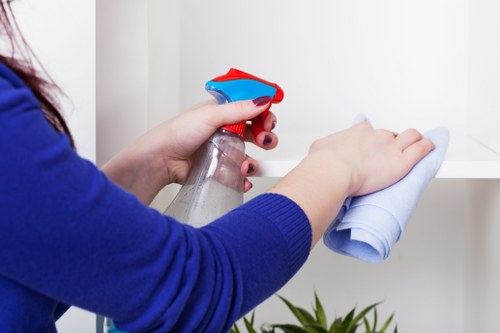
Clean surroundings do more than look nice; they contribute directly to well-being. Dust buildup can affect breathing, especially when it collects on fans, vents, carpets, and fabrics. Regular cleaning helps reduce these triggers by removing dust before it spreads through the space. This is especially useful in bedrooms, living rooms, and offices where people spend a lot of time.
Kitchen and bathroom areas deserve special attention because they are high-risk zones for bacteria, moisture, and odors. Regular cleaning in these spaces helps stop germs from multiplying and prevents unpleasant smells from developing. Countertops, sinks, toilets, showers, and appliances all benefit from a structured cleaning routine.
Wellness also improves when a space feels organized and manageable. Clutter can create stress, distraction, and even frustration. Keeping up with routine cleaning often encourages better habits overall, including tidiness, better storage, and more mindful use of shared areas. A clean environment supports a clearer mind and a smoother daily routine.
Regular Cleaning in Homes: Building a Comfortable Living Space
Daily, Weekly, and Monthly Tasks
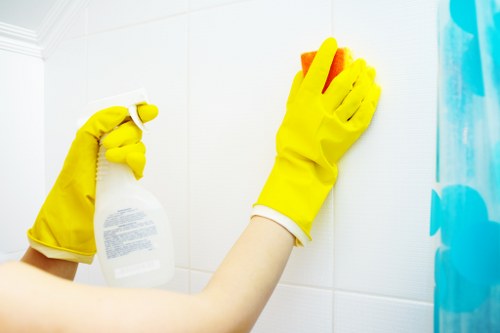
Homeowners and renters can get the best results from regular cleaning by dividing tasks into manageable categories. Daily cleaning usually includes quick surface wipes, dishwashing, making beds, sweeping high-traffic areas, and putting items back in place. These small habits prevent mess from building up and make larger cleaning sessions easier.
Weekly cleaning typically includes vacuuming carpets, mopping floors, cleaning bathrooms, dusting furniture, and changing bed linens. These recurring tasks keep the home sanitary and fresh. They also help catch early signs of issues such as spills, leaks, or pests before they become bigger problems.
Monthly cleaning can include deeper tasks like cleaning inside appliances, washing windows, scrubbing baseboards, and organizing storage areas. By spacing these responsibilities out, regular cleaning feels more achievable and less overwhelming. The goal is not perfection; the goal is consistency.
Simple Home Cleaning Priorities
- Keep kitchens and bathrooms on a strict routine.
- Vacuum and mop floors in high-traffic areas regularly.
- Dust shelves, vents, and corners before buildup becomes noticeable.
- Declutter surfaces to make cleaning faster and more effective.
Regular Cleaning in Offices and Workplaces
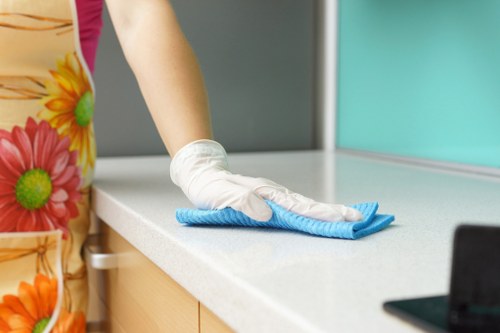
Commercial environments depend heavily on presentation and hygiene. Regular cleaning in offices, coworking spaces, and retail locations helps create a professional atmosphere that supports productivity and confidence. Employees tend to work better in a clean and organized setting, and visitors are more likely to trust a business that appears well cared for.
Workplaces also have unique sanitation needs because many people touch the same surfaces throughout the day. Desks, keyboards, handles, elevator buttons, meeting tables, and shared equipment can become hotspots for germs. A structured regular cleaning schedule lowers the risk of cross-contamination and keeps common areas usable and pleasant.
In customer-facing businesses, cleanliness is part of the brand experience. A spotless lobby, polished floors, and clean restrooms leave a lasting impression. Regular cleaning is therefore not just maintenance; it is a business strategy that supports reputation, safety, and customer satisfaction.
What Makes a Regular Cleaning Routine Effective?
Consistency, Planning, and the Right Tools
An effective cleaning routine does not need to be complicated. It needs to be realistic, repeatable, and tailored to the space. The best regular cleaning plans begin with prioritizing the areas that get the most use. Once those are under control, less-used spaces can be addressed on a longer schedule.
Having the right tools also makes a major difference. Microfiber cloths, quality vacuum cleaners, disinfectants, mop systems, and storage caddies can save time and improve results. If the tools are easy to access, regular cleaning becomes much easier to maintain. This is especially true for busy households and fast-paced workplaces.
Planning matters too. A written checklist, even a simple one, helps eliminate guesswork and keeps tasks from being forgotten. When cleaning duties are assigned by day, room, or frequency, the routine becomes more manageable. Regular cleaning works best when it is built into daily life instead of treated as an emergency response.
Helpful Routine-Building Tips
- Start with the rooms that create the most mess.
- Break large jobs into smaller time blocks.
- Keep supplies in locations where they are needed.
- Use reminders until the routine becomes a habit.
- Adjust the schedule seasonally or as your needs change.
Regular Cleaning vs. Deep Cleaning
It is important to understand the difference between regular cleaning and deep cleaning. Regular cleaning focuses on maintenance, such as dusting, wiping surfaces, vacuuming, mopping, and disinfecting. Deep cleaning reaches into less visible areas like behind appliances, inside vents, under furniture, and around grout lines. Both are valuable, but they serve different purposes.
Regular cleaning keeps everyday mess under control, while deep cleaning tackles hidden buildup and more stubborn grime. If regular cleaning is done consistently, deep cleaning becomes less time-consuming and less demanding. That is one of the most practical reasons to stay on schedule: it protects you from larger chores later.
A balanced plan includes both. For example, a kitchen may need daily wipe-downs, weekly floor care, and monthly deep cleaning of appliances or cabinets. This layered approach creates a cleaner result overall and helps preserve the condition of the space. In other words, regular cleaning lays the groundwork for everything else.
Healthier Air and Fewer Allergens Through Regular Cleaning
Why Indoor Air Quality Benefits from Routine Care
Indoor air quality often improves when cleaning is done regularly. Dust, pet dander, pollen, and other particles can settle on surfaces and then recirculate through the air when people walk by or use fans and HVAC systems. Regular cleaning removes many of these particles before they have a chance to spread.
Vacuuming with a high-quality filter, dusting correctly, and washing textiles can all help reduce airborne irritants. This is especially important in bedrooms, nurseries, and offices where clean air contributes to better rest and concentration. For allergy sufferers, regular cleaning can make daily life noticeably more comfortable.
Moisture control is also part of the picture. Bathrooms, basements, and kitchens should be cleaned promptly because damp environments can encourage mold and mildew. By keeping these spaces dry and sanitized, regular cleaning contributes to healthier indoor conditions and fewer odor problems.
Small actions that improve air quality
- Replace or clean HVAC filters on schedule.
- Dust from top to bottom to avoid resettling debris.
- Use washable fabrics where possible.
- Address spills and moisture quickly.
How Regular Cleaning Saves Time and Money
Many people assume cleaning is only about appearance, but routine maintenance is also a practical financial decision. Regular cleaning can prevent damage that would otherwise require replacement or repair. For example, removing stains quickly can save upholstery, grout, or carpet. Clearing drains and keeping appliances clean can help them function more efficiently.
Time savings are another major advantage. When cleaning is done consistently, each session usually takes less effort. You are not fighting layers of dust, hardened grease, or scattered clutter. Instead, the work stays manageable, which makes it easier to stick with the habit. That is why regular cleaning is often more efficient than letting tasks pile up.
For businesses, the savings can be even more significant. Clean facilities are less likely to experience avoidable maintenance issues, and employees are less likely to lose time dealing with messy or disorganized areas. In both homes and workplaces, regular cleaning is an investment in efficiency.
Best Practices for a Long-Term Regular Cleaning Strategy
Keep It Practical and Flexible
The most sustainable cleaning strategy is one that matches your real life. If a routine is too ambitious, it is more likely to fail. Regular cleaning should fit the size of the space, the number of people using it, and the level of activity it sees. A family home with pets will need a different plan than a quiet office or a small studio apartment.
It is also wise to review your routine periodically. Seasonal changes, renovation work, family schedules, and business growth can all affect cleaning demands. A routine that worked in one season may need adjustment in another. The more flexible your system, the more likely it is to remain effective long term.
Another smart habit is to combine cleaning with everyday actions. Wipe the sink after using it. Put items away immediately after finishing a task. Spend five minutes tidying a room before bed. These small decisions support regular cleaning and prevent mess from turning into a larger job.
Key habits to maintain momentum
- Use a predictable schedule for recurring tasks.
- Focus on prevention instead of correction.
- Involve everyone who uses the space.
- Celebrate progress, not just finished results.
When Professional Help Makes Sense
Even with a strong routine, there are times when professional support is a smart choice. Large properties, busy commercial settings, post-renovation mess, and seasonal deep-cleaning needs can all benefit from expert attention. Professional cleaning services often have specialized equipment, stronger products, and trained teams that can handle demanding situations more efficiently.
Choosing professional support does not replace regular cleaning; it complements it. Routine upkeep keeps the environment under control, while professional services can reset the space when needed. This combination is especially useful for maintaining high standards in homes, rental properties, and business locations.
If your current routine feels overwhelming or inconsistent, it may be time to rework the plan or bring in outside help. Regular cleaning works best when it is realistic, and professional assistance can make that consistency easier to achieve. Contact us today if you want your cleaning standards to stay high throughout the year, and book your service now to keep your space looking its best.
Final Thoughts on Regular Cleaning
Regular cleaning is one of the simplest and most effective ways to protect a space, improve comfort, and support better health. It reduces buildup, preserves surfaces, improves air quality, and creates a cleaner atmosphere for everyone who uses the area. Whether you are managing a home, an office, or a customer-facing business, routine cleaning makes daily life easier and more enjoyable.
The best results come from consistency, not perfection. A practical schedule, the right tools, and a clear sense of priorities can turn cleaning from a stressful chore into a manageable habit. When you commit to regular cleaning, you are investing in cleanliness, efficiency, and peace of mind.
Start small, stay consistent, and build a routine that supports your space over time. If you are ready to raise your cleaning standards and maintain them more easily, book your service now and take the next step toward a fresher, healthier environment.