Oven Cleaning in Your Home: Practical Tips, Benefits, and Best Results
Oven cleaning is one of those household tasks that many people postpone until smoke, odours, or baked-on grease make it impossible to ignore. A spotless oven does more than look good. It cooks more evenly, helps reduce unpleasant smells, supports better energy efficiency, and can extend the life of your appliance. Whether you are dealing with light splatter, heavy carbon buildup, or a stubborn layer of grime on the door glass, the right approach to oven cleaning can make the job faster and far less stressful.
For homeowners, renters, landlords, and even busy families, oven cleaning is often linked to both hygiene and convenience. Grease and food residue can accumulate over time, leading to smoke during cooking and lingering odours in the kitchen. Regular oven cleaning also helps maintain food quality by reducing the chance of burnt residue affecting the flavour of meals. If you want a cleaner kitchen and a better cooking experience, understanding the basics of oven cleaning is a smart place to start.
There are many methods available, from natural cleaning ingredients to specialist products and professional services. The best option depends on the condition of the oven, the amount of time you have, and the materials involved. In this article, we will look at practical oven cleaning techniques, safety tips, common mistakes to avoid, and the reasons why keeping your oven in great condition matters for everyday living.
Why Oven Cleaning Matters More Than You Think

Oven cleaning is not only about appearance. A clean oven improves performance in several important ways. When grease and burnt food build up on the interior surfaces, the oven may need to work harder to maintain temperature. That can lead to uneven heating and longer cooking times. A clean appliance, on the other hand, can help food bake and roast more consistently.
Another major benefit of oven cleaning is hygiene. Food debris left behind after cooking may attract bacteria or create unpleasant smells over time. Even if the oven is not visibly dirty from the outside, hidden residue on racks, trays, and the interior walls can still affect cooking conditions. This is especially important in homes where the oven is used daily.
Regular oven cleaning also reduces smoke. If you have ever opened the oven to find a cloud of smoke rising from old spills, you already know how disruptive that can be. Burnt residue can char repeatedly every time the oven is heated, making the issue worse. Keeping the appliance clean helps prevent that cycle and makes cooking more pleasant.
How a Clean Oven Supports Better Cooking
When heat circulates properly inside a clean oven, dishes are less likely to have uneven edges, raw centres, or burnt tops. This matters for everything from cookies and casseroles to roasts and frozen meals. Many people notice that oven cleaning improves overall food results because the appliance performs closer to how it was designed to work.
Clean ovens are also easier to inspect. You can spot damaged racks, worn seals, and loose components more quickly when grime is not hiding them. That makes maintenance simpler and may help you notice issues before they become expensive repairs.
Signs You Need Oven Cleaning Soon

Some ovens clearly show when they need attention, while others build up grime gradually. The most obvious sign is visible grease or burnt residue on the door, racks, or walls. However, there are other clues that indicate it is time for oven cleaning even if the interior does not look terrible at first glance.
- Smoke appears when the oven is heated
- Strong burnt or greasy smells linger after cooking
- Food cooks unevenly or takes longer than usual
- There is sticky residue on shelves or trays
- The oven glass is cloudy or stained
- Spills have hardened into dark patches
If you notice one or more of these signs, delaying oven cleaning may only make the task harder later. Fresh spills are always easier to remove than baked-on carbon deposits. A regular schedule can save time and reduce the need for heavy scrubbing.
Professional oven cleaning may be worth considering when the buildup is thick, the oven has not been cleaned for a long time, or the appliance needs a deep refresh before a rental inspection, holiday cooking, or home sale. In many cases, timely maintenance prevents a bigger cleanup job down the line.
Common Areas That Collect Dirt
The most neglected areas are often the bottom panel, door glass, side walls, and rack supports. Grease tends to splash and settle where heat is strongest. Fans, vents, and seals can also gather residue, which may affect airflow and overall performance.
Safe and Effective Oven Cleaning Methods
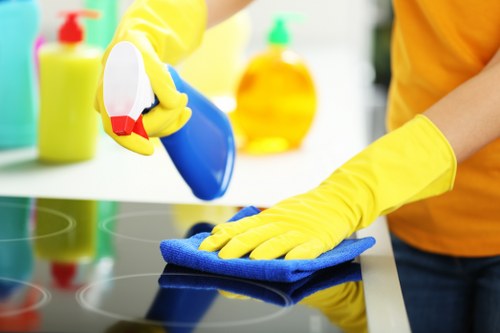
There is no single best method for every oven cleaning job. Some people prefer natural ingredients, while others want a faster specialist formula. The right choice depends on the level of buildup and the type of oven you own. Before starting, always check the manufacturer’s instructions so you do not damage sensitive surfaces.
1. Mild DIY Oven Cleaning
A simple mix of baking soda and water is a popular option for light to moderate residue. Spread the paste on dirty areas, avoid heating elements, and leave it in place for several hours or overnight. Then wipe away the softened grime with a damp cloth. This method is gentle and can be useful for routine oven cleaning.
2. Vinegar and Warm Water
Vinegar can help loosen residue and remove lingering smells. After applying the baking soda paste, a light vinegar spray may assist in lifting stubborn patches. It is a useful choice for those looking for a less chemical-heavy approach to oven cleaning.
3. Commercial Oven Cleaners
For heavy buildup, a commercial product may be more effective. These products are designed to dissolve burnt-on grease, but they should be used with caution. Always wear gloves, ventilate the area, and follow the label instructions carefully. Strong cleaners can be powerful tools in oven cleaning, but they are not suitable for every surface.
Important Safety Notes
Never mix cleaning chemicals unless the product instructions specifically allow it. Good ventilation is important, especially when using sprays or foaming products. If you have pets, keep them away from the kitchen during cleaning and until the area is safe and dry. Safety should always come first during oven cleaning.
Step-by-Step Oven Cleaning Process

Whether you are doing a light refresh or a deeper clean, a structured process can make oven cleaning more efficient. Breaking the task into stages helps you avoid missing spots and reduces the chance of damaging components.
- Turn off the oven and let it cool completely.
- Remove racks, trays, and any loose accessories.
- Clear away crumbs and loose debris with a dry cloth or soft brush.
- Apply your chosen oven cleaning solution to the interior.
- Allow enough time for the product to work.
- Wipe away softened grime with a damp cloth or sponge.
- Rinse thoroughly to remove any residue.
- Clean the racks separately and dry everything before reassembly.
For the door glass, a non-abrasive cleaner and soft cloth are best. Harsh scrubbing pads can scratch the surface and make future cleaning harder. If the oven has removable panels or easy-access parts, clean those carefully according to the manual.
Deep oven cleaning may require repeated passes if the residue is layered or very old. In those cases, patience matters more than force. Letting the cleaner work longer is often safer and more effective than scrubbing aggressively.
Racks, Trays, and Accessories
Do not forget the removable parts. Oven racks often collect as much grease as the main cavity. Soaking them in warm water with mild detergent can help loosen grime before wiping or gentle scrubbing. This part of oven cleaning often takes the longest, but it makes a huge difference to the final result.
Once everything is dry, reassemble the oven and run it briefly at a low temperature if recommended by the manufacturer. This helps remove any remaining moisture and gives you a chance to check that everything is working properly.
Natural vs Professional Oven Cleaning
Many people wonder whether they should handle oven cleaning themselves or hire a specialist. Both options have advantages. DIY cleaning is convenient for routine maintenance and can be budget-friendly. Professional oven cleaning, however, is often the better choice for heavily soiled appliances, busy households, or anyone who wants a thorough result without the effort.
Benefits of DIY Oven Cleaning
- Lower cost for routine upkeep
- Flexible timing around your schedule
- Good for light spills and maintenance
- Can be done with household items
Benefits of Professional Oven Cleaning
- Detailed cleaning of hard-to-reach areas
- Specialist tools and products
- Less time and effort for the homeowner
- Useful for deep grease and carbon buildup
If the oven has not been cleaned in a long time, or if burnt residue has become thick and hardened, a professional service may be the most practical solution. Many people choose professional oven cleaning before special events, moving house, or after long periods of regular use. It can restore the appliance efficiently and save hours of work.
When to Choose a Specialist
If you have a self-cleaning oven, a specialist may still be helpful when the self-clean function is not enough or if you want the appliance cleaned more thoroughly. If you are concerned about using strong products, or if the oven has delicate surfaces, a trained cleaner can reduce risk and improve the final result.
Book your service now if you want a fresh, hygienic oven without dealing with the mess yourself. In many cases, a professional clean is the fastest way to get the kitchen back in excellent condition.
How Often Should Oven Cleaning Be Done?
The best oven cleaning schedule depends on how often the appliance is used. A family that cooks daily will usually need more frequent attention than someone who uses the oven only occasionally. As a general rule, wipe away small spills as soon as the oven cools and plan a deeper clean every few months.
For light users, oven cleaning every three to six months may be enough. For regular home cooks, monthly maintenance and a deeper clean every six to eight weeks may be more practical. If you roast, bake, or grill often, the oven will naturally gather residue faster.
Consistency makes oven cleaning easier. Removing fresh spills before they bake on saves time and prevents stubborn buildup. A quick habit of checking the oven after use can reduce the need for intensive scrubbing later.
Simple Maintenance Habits
- Wipe spills once the appliance has cooled
- Use oven liners only if approved by the manufacturer
- Clean the door glass regularly
- Inspect racks and trays for buildup
- Ventilate the kitchen when cooking greasy foods
These small habits support a cleaner oven and make each cleaning session less demanding. Over time, they can also help preserve the appearance and performance of the appliance.
Why Timing Matters
Waiting too long between cleanings can make residue harder to remove and may shorten the life of your oven’s interior finish. Regular oven cleaning is not just about comfort; it is also a practical part of appliance care. By staying ahead of grease and burnt food, you protect both the appliance and your cooking results.
Common Oven Cleaning Mistakes to Avoid
Even with the best intentions, people sometimes make mistakes that reduce the effectiveness of oven cleaning or damage the appliance. Knowing what to avoid can save time and prevent costly problems.
- Using abrasive pads on glass or coated surfaces
- Applying too much liquid near electrical components
- Mixing cleaning products
- Scrubbing before letting the cleaner sit
- Ignoring racks, seals, and vents
- Forgetting to rinse away residue after cleaning
Another common mistake is cleaning too aggressively. Heavy pressure can scratch surfaces, while repeated rough scrubbing can wear down protective coatings. It is usually better to let the product do the work and then wipe gently.
Always test new products in a small area first if you are unsure how the surface will react. A cautious approach is especially helpful for older ovens or models with special finishes. Careful oven cleaning protects both appearance and function.
How to Keep the Results Looking Good
After the oven is clean, a few maintenance routines can help it stay that way. Cover dishes when possible, avoid overfilling trays, and check for spills after roasting or baking. Small steps after each use make a noticeable difference over time.
The Long-Term Value of Regular Oven Cleaning
Oven cleaning pays off in more ways than one. A well-maintained oven often lasts longer, performs better, and creates a more pleasant kitchen environment. That can be particularly valuable for busy households, tenants preparing for inspections, or property owners aiming to maintain appliances in good condition.
There is also a financial advantage. When the oven works efficiently, you may reduce wasted energy and avoid unnecessary repairs caused by neglect. Keeping the appliance clean can also help preserve resale value if you ever decide to replace or upgrade it. A clean, well-cared-for appliance makes a better impression than one covered in grease and burnt residue.
Regular oven cleaning is a simple but effective form of home maintenance. It supports better cooking, healthier kitchen conditions, and less stress when preparing meals. If you have been putting it off, now is a great time to start a routine that fits your schedule.
Final Thoughts on Staying Ahead of the Mess
Oven cleaning does not have to be overwhelming. With a realistic routine, safe cleaning methods, and the option of expert help when needed, you can keep your oven in excellent shape all year round. Whether you prefer natural solutions, stronger cleaning products, or professional oven cleaning, the most important thing is consistency.
So if your oven is looking tired, smelling smoky, or struggling to perform, take action before the grime gets worse. A cleaner oven means better meals, a fresher kitchen, and less work in the long run. Contact us today if you are ready to make oven cleaning easier, faster, and more effective for your home.