Domestic Cleaning in Homes: Creating Healthier, Happier Living Spaces
Domestic cleaning plays a far bigger role in daily life than many people realize. A clean home is not just about appearance; it supports comfort, hygiene, organization, and peace of mind. Whether you live alone, share a family home, or manage a busy household, regular domestic cleaning helps maintain a space that feels welcoming and functions smoothly. In today’s fast-paced world, more people are looking for reliable domestic cleaning solutions that save time while delivering consistent results.
The demand for domestic cleaning has grown steadily because households are busier, spaces are used more intensively, and expectations for cleanliness are higher than ever. From kitchens and bathrooms to living rooms, bedrooms, and hallways, every area benefits from a routine that removes dirt, reduces allergens, and prevents clutter from building up. A well-planned domestic cleaning routine also protects furniture, surfaces, and appliances, helping them last longer and perform better.
Understanding domestic cleaning means looking beyond simple tidying. It includes tasks such as dusting, vacuuming, mopping, disinfecting high-touch areas, waste removal, and deep cleaning when needed. It can be handled by homeowners themselves, shared among family members, or outsourced to professionals for greater convenience. For many households, domestic cleaning services are the practical solution that keeps life running smoothly while reducing stress and saving precious time.
What Domestic Cleaning Really Means
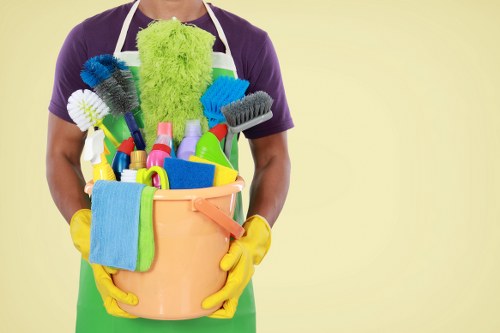
Domestic cleaning refers to the regular upkeep of private living spaces. It is the process of removing dust, grime, germs, and clutter from a home so that the environment remains safe, neat, and comfortable. While some people associate domestic cleaning only with surface-level chores, it actually covers a wide range of responsibilities that keep a household in good order.
Unlike commercial cleaning, which focuses on offices, retail premises, or industrial settings, domestic cleaning is tailored to the needs of homes. Every home is different, so the cleaning approach varies depending on size, layout, lifestyle, pets, children, and personal preferences. A family home may require frequent kitchen sanitizing and floor care, while a smaller apartment may need more targeted cleaning and organization.
One of the key advantages of domestic cleaning is flexibility. Some households prefer weekly cleaning, others choose fortnightly visits, and some rely on deep cleaning sessions every few months. The goal is always the same: to maintain a clean home that supports everyday living. When domestic cleaning is done consistently, it becomes much easier to stay on top of mess and avoid overwhelming buildup.
Core areas covered in domestic cleaning
- Dusting surfaces, shelves, skirting boards, and fixtures
- Vacuuming carpets, rugs, and upholstery
- Mopping hard floors and cleaning entrances
- Sanitizing kitchens, sinks, countertops, and appliances
- Cleaning bathrooms, toilets, mirrors, and tiles
- Emptying bins and managing waste
- Wiping high-touch areas like door handles and switches
Why Domestic Cleaning Matters for Every Household

Domestic cleaning is about much more than aesthetics. A tidy home can reduce stress, improve health, and make daily routines simpler. When surfaces are clean and clutter is under control, the entire home feels calmer and more functional. This can have a positive effect on mood, productivity, and even sleep quality.
From a health perspective, domestic cleaning helps reduce dust mites, pet dander, mold spores, and bacteria that can accumulate over time. Regular vacuuming and dusting are especially important for households with children, older adults, or anyone with allergies or asthma. Cleaning kitchens and bathrooms thoroughly also lowers the risk of spreading germs and maintaining poor hygiene.
There is also a practical side to domestic cleaning. Floors, upholstery, and appliances last longer when they are cared for correctly. Grease is less likely to build up in the kitchen, limescale is less likely to damage taps and showerheads, and carpets retain their appearance for longer. In other words, domestic cleaning is an investment in the condition of your home.
Key benefits of a regular cleaning routine
- Creates a healthier indoor environment
- Reduces stress and mental overload
- Improves the appearance of the home
- Prevents dirt and grime from becoming harder to remove
- Protects surfaces, fabrics, and appliances
- Makes it easier to host guests comfortably
Clean homes feel better to live in, and that simple truth is why domestic cleaning remains such an essential part of household management.
Common Domestic Cleaning Tasks Around the Home

Every room in a house has different cleaning needs, and effective domestic cleaning adapts to those differences. The kitchen, for example, requires attention to hygiene, spills, and grease, while bedrooms need dust control, floor care, and surface organization. Bathrooms demand frequent sanitizing, and communal areas often need a combination of dusting, vacuuming, and general tidying.
In the kitchen, domestic cleaning often includes wiping down countertops, cleaning sinks, polishing taps, removing crumbs, and dealing with splashes on cabinets and appliances. The bathroom usually requires scrubbing the toilet, disinfecting the basin, cleaning mirrors, and removing soap residue from tiles and glass. Living rooms and bedrooms, on the other hand, are commonly maintained through dusting, vacuuming, changing linens, and decluttering surfaces.
Hallways, staircases, and entryways are often overlooked, yet they gather dirt quickly because they are high-traffic areas. Regular domestic cleaning in these spaces helps prevent dust and debris from spreading into the rest of the home. A structured routine ensures that no area is neglected for too long.
Room-by-room cleaning priorities
- Kitchen: food preparation surfaces, sink, stove, fridge exteriors, bins
- Bathroom: toilet, shower, bath, grout, mirrors, tiles
- Bedroom: bedding, under-bed dust, wardrobes, bedside tables
- Living room: upholstery, electronics, shelves, coffee tables
- Hallway: floors, skirting, shoe storage, door handles
Consistency matters more than intensity when it comes to domestic cleaning, because small regular tasks are easier to manage than large occasional cleanups.
Choosing the Right Domestic Cleaning Approach
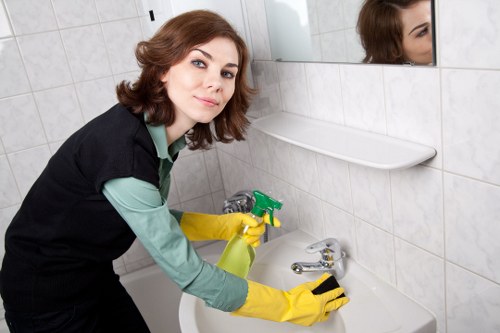
Not every home requires the same domestic cleaning plan. The best approach depends on the household’s size, activity level, and priorities. Some homes need frequent light cleaning to stay presentable, while others benefit from a combination of routine upkeep and scheduled deep cleaning. Choosing the right approach helps balance time, budget, and cleanliness goals.
Many people start by identifying the areas that cause the most problems. For some, it is the kitchen after daily meal preparation. For others, it may be pet hair on carpets, bathroom limescale, or dust in rooms that are used less often. Once the biggest challenges are clear, domestic cleaning can be organized around those priorities.
It is also helpful to decide whether the cleaning will be fully self-managed, shared among household members, or handled with professional support. Families often benefit from assigning responsibilities, while busy professionals may prefer to book domestic cleaning services for regular visits. The most effective system is the one that can be maintained without becoming a burden.
Factors to consider when planning domestic cleaning
- Number of occupants in the home
- Presence of children or pets
- Allergies or health sensitivities
- Time available for cleaning each week
- Size and layout of the property
- Preferred cleaning frequency
Light cleaning versus deep cleaning
Light domestic cleaning includes everyday tasks such as dusting, vacuuming, wiping surfaces, and emptying bins. Deep cleaning goes further, targeting hidden dirt, grout, behind appliances, internal cabinets, baseboards, and other areas that are often missed during routine cleaning. Both are valuable, and most homes need a mix of the two.
Professional Domestic Cleaning Services and Their Value

Professional domestic cleaning services offer convenience, consistency, and expert attention to detail. For households with demanding schedules, these services can be an excellent way to keep the home clean without sacrificing work, family time, or rest. Many people also choose professional help because it delivers a deeper, more thorough clean than they can manage alone.
Experienced cleaners bring practical knowledge, efficient methods, and the right tools for the job. They understand how to clean different surfaces safely, how to deal with tough grime, and how to maintain hygiene in areas that need special attention. This is especially useful for kitchens and bathrooms, where domestic cleaning must be both effective and careful.
Professional support can be tailored to specific needs. Some households request weekly maintenance, while others book seasonal deep cleans, end-of-tenancy cleaning, or post-renovation cleaning. The flexibility of domestic cleaning services makes them suitable for a wide range of situations, and many homes benefit from a regular scheduled visit.
Advantages of booking domestic cleaning services
- Saves time and energy
- Delivers professional standards
- Supports busy families and professionals
- Helps maintain hygiene consistently
- Reduces stress linked to household chores
- Can be customized to fit the home’s needs
Book your service now if you want to enjoy a cleaner home with less effort and more free time.
How to Build a Practical Domestic Cleaning Routine
A practical domestic cleaning routine is one that fits into everyday life without feeling overwhelming. The best routines are simple, repeatable, and realistic. Instead of trying to clean everything at once, it is usually better to divide tasks into daily, weekly, and monthly categories. This makes domestic cleaning easier to manage and less likely to be postponed.
Daily tasks might include wiping counters, washing dishes, making beds, and quick floor sweeps in busy areas. Weekly tasks can focus on vacuuming, bathroom cleaning, dusting, and changing bedding. Monthly tasks may involve cleaning inside cupboards, washing windows, rotating mattresses, and sorting out neglected corners. By spreading domestic cleaning across the month, the home stays in good shape with less effort overall.
It helps to create a written or digital checklist so that nothing gets missed. A checklist also makes it easier to share tasks with other people in the household. When everyone knows what needs to be done, domestic cleaning becomes a shared responsibility rather than one person’s job.
Example routine for busy households
- Monday: kitchen surfaces and floors
- Tuesday: bathrooms and mirrors
- Wednesday: dusting and living areas
- Thursday: bedrooms and linen changes
- Friday: hallways, stairs, and bins
- Weekend: catch-up, laundry, and light decluttering
Simple habits that make a big difference
Putting things back after use, wiping spills immediately, and doing a quick five-minute tidy each evening can prevent small messes from turning into large domestic cleaning jobs. These habits support a cleaner home without requiring major effort.
Domestic Cleaning Tips for Better Results
Good domestic cleaning is not only about frequency; it is also about technique. Using the right products, tools, and order of work can improve results and reduce wasted effort. A smart approach ensures that dirt is removed rather than simply moved around the house.
One useful principle is to clean from top to bottom and from dry tasks to wet tasks. This prevents dust from falling onto already cleaned areas and helps make each step more efficient. Another helpful tip is to allow products time to work, especially when cleaning bathrooms, ovens, and other problem areas. Patience often leads to better domestic cleaning outcomes.
It is equally important to use suitable cloths, mops, and vacuums for different surfaces. Microfiber cloths are popular because they trap dust well, while vacuum attachments help clean corners, upholstery, and tight spaces. Using the right tools not only improves cleanliness but also protects delicate finishes.
Smart habits for efficient domestic cleaning
- Use separate cloths for kitchen and bathroom areas
- Ventilate rooms while cleaning to reduce fumes and moisture
- Check labels before using products on wood, stone, or glass
- Clean one room at a time to stay organized
- Focus on high-touch surfaces regularly
- Declutter before deep domestic cleaning
Small improvements in technique can make domestic cleaning faster, safer, and more effective.
Domestic Cleaning and Home Hygiene
Home hygiene is closely linked to domestic cleaning. A clean environment helps reduce the spread of germs and creates better conditions for daily living. This is especially important in homes where people share spaces closely, prepare food frequently, or experience seasonal illnesses. Regular cleaning of high-touch points is one of the easiest ways to support household hygiene.
Door handles, light switches, remote controls, taps, fridge handles, and appliance buttons can collect bacteria throughout the day. By cleaning these areas routinely, households can maintain a healthier indoor environment. Bathrooms and kitchens need special attention because moisture, food residue, and repeated use create conditions where germs can thrive.
Domestic cleaning also supports better air quality. Dust, pet hair, and pollen can all build up indoors if they are not removed regularly. Vacuuming carpets, washing soft furnishings, and dusting surfaces can make a noticeable difference, especially for people sensitive to allergens. A cleaner home often feels fresher, lighter, and more pleasant overall.
Hygiene-focused cleaning priorities
- Disinfect shared touchpoints
- Clean kitchen surfaces after food preparation
- Wash or replace cleaning cloths regularly
- Keep bins emptied and sanitized
- Prevent damp areas from staying wet
- Remove clutter that traps dust
How Domestic Cleaning Supports Busy Lifestyles
Modern routines leave many people with very limited time for household chores. Work commitments, school runs, commuting, social obligations, and family responsibilities can quickly crowd out cleaning time. This is one of the main reasons domestic cleaning services have become so valuable. They help households maintain standards without adding pressure to already full schedules.
Busy lifestyles often lead to fragmented cleaning, where small tasks are done only when time permits. While this can work for a while, it usually results in larger cleanups later. A reliable domestic cleaning routine, whether self-managed or professional, prevents that cycle and creates more stability at home. The result is less stress and more time for the things that matter most.
For families, domestic cleaning also helps create a smoother daily rhythm. Children can find what they need more easily in organized spaces, and adults spend less time dealing with mess. For professionals working from home, a clean environment can support concentration and productivity. In many ways, domestic cleaning contributes to better lifestyle balance.
Why many households choose outsourced support
- Time savings
- Less physical strain
- Reliable cleaning standards
- More free time for family or leisure
- Better upkeep during busy periods
Making Domestic Cleaning Part of Long-Term Home Care
Domestic cleaning should not be viewed as a one-off task. It is part of long-term home care that preserves comfort, hygiene, and property value. Homes that receive regular attention are easier to maintain, and problems are often noticed earlier. For example, cleaning may reveal leaks, damp patches, damaged grout, or appliance issues before they become more serious.
Long-term home care also means adapting domestic cleaning as needs change. A home with young children will not need the same cleaning plan as a quiet home with one or two occupants. Seasonal changes matter too. In winter, homes may need extra attention to mud, moisture, and indoor dust. In spring and summer, windows, fabrics, and ventilation may become higher priorities.
By treating domestic cleaning as an ongoing part of home management, households can enjoy better results with less frustration. The aim is not perfection, but consistency. A home that is regularly cleaned, well cared for, and comfortably organized creates a much better living experience.
Long-term domestic cleaning priorities
- Maintain regular cleaning habits
- Schedule deep cleaning when needed
- Adapt tasks to the season
- Replace worn cleaning tools
- Keep clutter under control
- Review routines periodically
Final Thoughts on Domestic Cleaning
Domestic cleaning is one of the most important parts of keeping a home functional, comfortable, and healthy. It touches every aspect of household life, from hygiene and organization to stress reduction and property care. Whether you manage cleaning yourself or choose professional support, the benefits of a clean home are immediate and long-lasting.
When domestic cleaning is approached with a clear routine, the process becomes much more manageable. Small habits, sensible scheduling, and the right support can transform the way a home feels and functions. Clean spaces are easier to enjoy, easier to maintain, and better for everyday living.
If you are looking for a cleaner, fresher, and more organized home, now is the right time to take action. Contact us today to explore the domestic cleaning option that fits your household needs, or book your service now to get started on a more comfortable living space.