Communal Area Cleaning for Healthier, Safer, and More Welcoming Shared Spaces
Communal area cleaning plays a vital role in keeping shared spaces hygienic, presentable, and comfortable for everyone who uses them. Whether it is a residential block, apartment complex, office building, school, or mixed-use property, the condition of communal spaces directly affects first impressions, day-to-day wellbeing, and even the long-term value of the building. Clean communal areas help reduce germs, prevent unpleasant odors, support safety, and create a more professional environment for residents, employees, visitors, and customers alike.
In today’s fast-paced world, people increasingly expect common areas to be tidy, sanitized, and maintained to a consistent standard. That is why communal area cleaning is more than a simple housekeeping task. It is a strategic property maintenance service that protects health, boosts appearance, and supports the reputation of the building and everyone responsible for it. From lobbies and hallways to stairwells, elevators, entryways, and shared kitchens, every space deserves attention.
When communal spaces are cleaned regularly and professionally, the entire property feels more inviting, more organized, and more cared for. This article explores the importance of communal area cleaning, what it includes, how it benefits different types of properties, and what to look for when planning a cleaning schedule that works.
Why Communal Area Cleaning Matters
Shared spaces experience much heavier foot traffic than private rooms. Dozens or even hundreds of people may pass through a lobby, corridor, or lift area in a single day. That constant use means dirt, dust, fingerprints, spillages, and germs accumulate quickly. Without consistent communal area cleaning, these areas can become unhygienic and unpleasant very fast.
Proper cleaning helps in several important ways. It reduces the spread of bacteria and viruses, improves indoor air quality, extends the lifespan of surfaces and fixtures, and creates a positive atmosphere for everyone using the space. In addition, clean communal areas are often a reflection of the overall management standards of the property.
First impressions matter. A clean entrance or hallway tells people that the building is cared for, organized, and professionally managed. For businesses, this can influence customer perception. For residential properties, it can improve tenant satisfaction and support a more respectful shared living environment.
What Is Included in Communal Area Cleaning?
Communal area cleaning can cover a wide variety of tasks depending on the building type and the needs of the occupants. The purpose is to keep all shared spaces visibly clean, hygienic, and safe. A routine service might include wiping surfaces, vacuuming carpets, mopping floors, removing litter, and disinfecting high-touch points.
Typical tasks in communal area cleaning include:
- Dusting skirting boards, windowsills, ledges, and fixtures
- Vacuuming carpets and rugs in corridors and lobbies
- Mopping hard floors and removing marks or stains
- Cleaning handrails, door handles, and light switches
- Sanitizing elevator buttons, intercoms, and reception counters
- Emptying bins and replacing liners
- Cleaning mirrors, glass panels, and entrance doors
- Removing cobwebs and general debris
Depending on the building, additional tasks may include shared kitchen cleaning, restroom sanitation, floor polishing, pressure washing of external pathways, and regular deep-cleaning services. The exact scope should always match the property’s traffic levels and hygiene needs.
Common Areas That Need Regular Attention
Not every shared area is used in the same way, which is why communal area cleaning should be tailored to the property. Some spaces need daily attention, while others may require weekly or periodic deep cleaning. Understanding which areas matter most helps keep the building cleaner for longer.
Key spaces that often require regular cleaning include:
- Entrances and reception areas – These create the first impression and often collect dirt from shoes, weather, and traffic.
- Corridors and hallways – These are frequently used and can quickly collect dust, fingerprints, and marks.
- Stairwells – Often overlooked, stairwells can gather debris, spills, and cobwebs.
- Elevators and lift lobbies – High-touch areas require regular sanitization.
- Shared kitchens and break rooms – These need thorough cleaning to reduce odors and cross-contamination.
- Restrooms – Hygiene standards here must always remain high.
Outdoor communal areas may also require attention, including smoking areas, pathways, bin stores, loading bays, and parking access zones. Keeping these spaces clean helps prevent pests, odors, and safety hazards.
Health and Hygiene Benefits
One of the strongest reasons to invest in communal area cleaning is the impact on health. Shared environments allow germs to spread easily because many people touch the same surfaces throughout the day. High-touch points such as handrails, lift buttons, and door handles can harbor bacteria and viruses if they are not cleaned regularly.
Professional cleaning reduces the buildup of contaminants and supports a healthier environment for everyone. This is especially important in properties where children, older adults, or people with reduced immunity are present. Clean shared areas can also help minimize allergens such as dust, mold spores, and pollen that may affect indoor air quality.
Health-focused cleaning is not just about appearances. It is about protecting people. A well-planned communal area cleaning routine can reduce absences in workplace settings, create a safer residential environment, and contribute to a better overall quality of life.
Communal Area Cleaning for Residential Buildings
In apartment blocks, housing estates, and flats, communal area cleaning supports both comfort and community standards. Residents use shared entrances, staircases, lifts, bin areas, and hallways every day, so these spaces need to remain tidy and well cared for. A neglected communal area can lead to complaints, reduced satisfaction, and even disputes between residents and property managers.
Residential communal cleaning usually focuses on areas such as:
- Front entrances and porch areas
- Internal hallways and corridors
- Staircases and landings
- Lift interiors and buttons
- Shared laundry rooms
- Refuse and recycling areas
Regular service helps maintain a peaceful and pleasant environment. It also helps protect flooring, paintwork, and fixtures from accelerated wear. In buildings with regular visitors or delivery traffic, consistent communal area cleaning becomes even more valuable because dirt can quickly enter from outside.
Communal Area Cleaning for Commercial Properties
Commercial buildings have their own unique cleaning demands. Offices, business centers, retail developments, and public-facing properties often receive a large number of visitors, employees, and contractors each day. This makes cleanliness a key part of professionalism and brand image.
In commercial environments, communal area cleaning often covers reception zones, meeting room corridors, lift lobbies, washrooms, break-out areas, and shared pantry spaces. High standards are especially important because clients and customers may judge the business before a conversation even begins.
For workplaces, a clean environment can also support productivity. Employees tend to feel more motivated and comfortable in a tidy, organized setting. Clean communal spaces help create an atmosphere of order, care, and professionalism. That can make a meaningful difference in day-to-day operations and long-term reputation.
Deep Cleaning vs Routine Communal Area Cleaning
Routine cleaning and deep cleaning serve different purposes, and both are important. Routine communal area cleaning maintains a good standard from day to day, while deep cleaning addresses built-up grime, hard-to-reach areas, and more intensive hygiene needs.
Routine tasks often include vacuuming, mopping, wiping surfaces, and emptying bins. Deep cleaning may involve:
- Scrubbing floors and grout lines
- Removing ingrained stains
- Cleaning behind furniture or fixtures
- Washing walls and internal glass
- Descaling taps and metal fittings
- Disinfecting areas with heavy touch traffic
Both are essential. The right balance depends on the level of use, the season, and the type of property. For example, wet weather can bring in more mud and debris, while winter months may increase dirt and salt marks in entrance areas. A flexible cleaning plan helps address these changing conditions effectively.
How Often Should Communal Areas Be Cleaned?
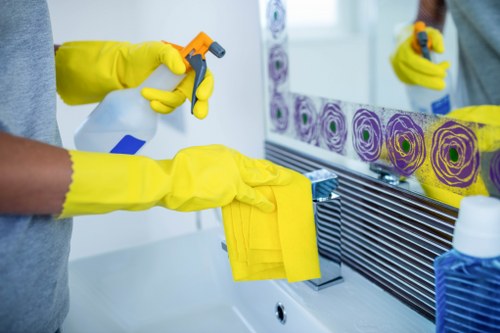
The frequency of communal area cleaning depends on usage, property size, and the expectations of residents or staff. A small building with limited traffic may only require weekly cleaning, while a busy office block or apartment complex may need daily attention.
As a general rule, the following schedule can be a useful starting point:
- Daily – Entrances, corridors, lift buttons, bins, and washrooms in high-traffic buildings
- Several times per week – Shared kitchens, reception areas, and stairwells in moderate-use properties
- Weekly – Lower-traffic communal spaces, internal glass, and dust-sensitive areas
- Monthly or quarterly – Deep cleaning, floor polishing, and high-level dust removal
It is always wise to adjust the schedule based on actual conditions. If a building starts showing dust, odors, litter, or marks too quickly, then the frequency should be increased. Good communal area cleaning is responsive, not rigid.
Professional Tools and Methods Used in Communal Area Cleaning
Professional cleaners use a mix of techniques, products, and equipment to achieve consistent results. The right method depends on the surface and the type of dirt involved. For example, carpets need different treatment from tiled floors, and glass doors need different care from painted walls.
Common tools and materials include:
- Microfibre cloths for dusting and polishing
- Vacuum cleaners with HEPA filtration
- Mops and bucket systems for hard floors
- Disinfectants for sanitizing high-touch points
- Eco-friendly cleaning agents for sensitive environments
- Floor scrubbers and polishers for larger sites
Using the correct product matters because poor-quality chemicals can damage surfaces or leave residues. Effective communal area cleaning should be both thorough and surface-safe. Trained cleaners understand how to work efficiently while protecting the building’s finishes and fixtures.
Safety, Compliance, and Risk Reduction
Clean shared spaces are not only more attractive; they are often safer. Spills, debris, and clutter can create slips, trips, and falls, especially in stairwells, entryways, and busy corridors. Regular communal area cleaning helps reduce those risks by keeping floors clear and dry, removing obstacles, and identifying issues early.
Professional cleaning teams may also help spot hazards such as broken lighting, loose handrails, overflowing bins, or pest activity. While cleaners are not maintenance contractors, their regular presence means problems are often noticed sooner. That can support faster action and prevent avoidable accidents.
Safety should always be part of the cleaning plan. This includes using warning signs when floors are wet, applying the right products in the right quantities, and ensuring that high-traffic areas are cleaned without interrupting access more than necessary.
Choosing the Right Communal Area Cleaning Approach
Every property is different, so the best approach is one that reflects the building’s size, usage, and priorities. Some sites need a simple routine, while others benefit from a more structured cleaning specification. The goal is to maintain a consistent standard without wasting resources.
When planning communal area cleaning, consider the following:
- How many people use the space each day
- Which areas are high-touch and high-risk
- Whether the property has carpet, vinyl, tile, or stone flooring
- Whether bins, recycling stations, or smoking areas need extra attention
- Whether special hygiene rules apply to the building
- How seasonal weather affects dirt buildup
A tailored plan is usually more effective than a one-size-fits-all approach. It ensures resources are focused where they matter most and helps maintain a consistently neat appearance throughout the property.
Eco-Friendly Communal Area Cleaning
Many property managers and building users now prefer environmentally responsible cleaning methods. Eco-friendly communal area cleaning can reduce the use of harsh chemicals while still delivering high standards of hygiene and presentation. This approach is especially appealing in schools, workplaces, apartment buildings, and healthcare-adjacent environments.
Environmentally conscious cleaning may include:
- Biodegradable cleaning products
- Reduced water waste through efficient processes
- Microfibre systems that lower chemical demand
- Reusable tools and washable cloths
- Low-odor products suitable for enclosed spaces
Choosing greener methods does not mean compromising on quality. In many cases, it improves indoor comfort and makes the cleaning process more sustainable over time. Smart cleaning decisions support both people and the property.
Signs Your Communal Areas Need More Attention
Sometimes the need for better cleaning becomes obvious, but in other cases the signs develop gradually. Recognizing these warning signals early can prevent the problem from worsening and help maintain high standards.
Common signs include:
- Persistent odors in entrances or corridors
- Visible dust on ledges, skirting boards, and railings
- Fingerprints and marks on glass or walls
- Litter or debris in stairwells and corners
- Stained flooring or carpet traffic marks
- Complaints from residents, tenants, or staff
If these issues appear regularly, then the current cleaning frequency may not be enough. In that case, it may be time to review the cleaning specification and introduce more frequent or more detailed work.
Benefits of Hiring Professional Communal Area Cleaning Services
While some minor cleaning tasks may be handled in-house, professional services bring experience, consistency, and accountability. A trained team knows how to clean efficiently, work to a schedule, and handle varied surfaces safely. This is particularly useful in larger buildings or sites with strict cleanliness expectations.
Benefits can include:
- Consistent cleaning quality
- Access to proper equipment and products
- Time savings for residents, staff, or management teams
- Better hygiene and presentation standards
- Reduced wear and tear on communal fixtures
Professional communal area cleaning also provides peace of mind. When a property is looked after properly, everyone using it benefits from a better experience. That makes the investment worthwhile for many organizations and residential communities.
Building a Long-Term Cleaning Standard
High-quality communal area cleaning is not a one-time effort. It works best when it is built into the ongoing management of the property. That means setting expectations, reviewing results regularly, and adjusting the cleaning schedule as the building changes.
To maintain strong standards over time, it helps to:
- Create a clear cleaning checklist
- Match cleaning frequency to traffic levels
- Monitor problem areas and adjust as needed
- Use seasonal planning for weather-related dirt
- Keep communication open between cleaning teams and property managers
When these steps are followed consistently, communal spaces remain safer, cleaner, and more pleasant to use. That long-term reliability is one of the biggest advantages of a well-managed cleaning plan.
Final Thoughts on Communal Area Cleaning
Communal area cleaning is essential for any property that values hygiene, safety, and presentation. Shared spaces are used by many people every day, which means they need regular care and attention to stay welcoming and functional. From residential blocks to commercial buildings, the right cleaning approach supports health, protects assets, and strengthens overall property standards.
Whether you are managing a small building or a large multi-occupancy site, investing in reliable communal area cleaning can make a noticeable difference. Cleaner surroundings improve comfort, reduce hazards, and help create a more positive impression for everyone who enters the space.
If your shared areas need a better standard of care, contact us today and book your service now. A tailored cleaning plan can help keep your communal spaces looking their best all year round.