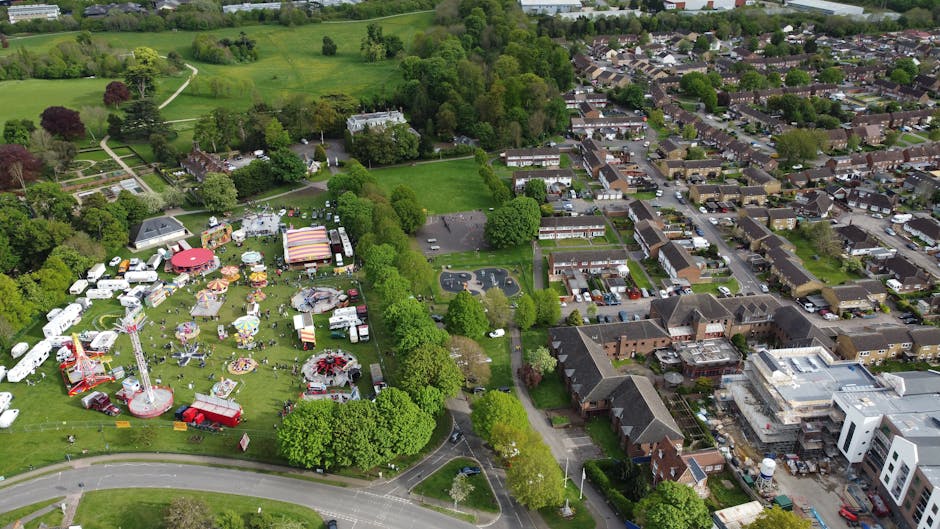
Nonsuch Park event cleaning in Sutton: a practical guide for smoother, cleaner events
If you are planning or supporting an event in Nonsuch Park, the cleaning side can make a bigger difference than people expect. A tidy entrance, litter-free lawns, clean facilities and a fast post-event reset all shape how guests feel, how organisers are remembered, and how much stress gets left behind once the music stops. Nonsuch Park event cleaning in Sutton is not just about picking up rubbish at the end; it is about planning the whole cleaning process so the park is left safe, respectable, and ready for the next day.
That matters whether you are running a community festival, a charity fun day, a private gathering, a corporate family event, or a seasonal celebration. In this guide, we'll walk through what event cleaning usually involves, how it works in practice, what can go wrong, and how to get a cleaner, calmer result without overcomplicating the job. A lot of it is straightforward. The hard part is doing it well, on time, when everyone else is packing up and keen to go home.
Why Nonsuch Park event cleaning in Sutton Matters
Outdoor events look simple from a distance: a stage, a few gazebos, some food stalls, a good crowd. Then the day ends and the reality appears. Cups in the grass. Napkins caught in bushes. Mud at access points. Toilet queues that leave the floor less than ideal. If the event is in a public park, the cleaning job needs to be more disciplined because you are sharing a space that other people use for walking, sports, dog walking, family time and quiet breaks.
Nonsuch Park event cleaning in Sutton matters because the clean-up is part of the event itself, not an afterthought. Guests notice whether bins are well placed, whether spillages are handled quickly, and whether the site feels cared for. Residents notice too. So do stewards, contractors and local teams who may have to work on or around the site later. A poor clean can lead to complaints, avoidable damage, and a lot of awkward conversations that nobody wants on a Monday morning.
There is also a simple human factor. People relax more in a clean space. They queue more patiently, eat more comfortably, and tend to treat the venue better when it already looks respected. That sounds obvious, but truth be told, it is one of the biggest reasons event cleaning pays off.
Expert summary: the best event cleaning is planned before the first visitor arrives, delivered quietly during the event, and finished thoroughly once the last guest has gone.
How Nonsuch Park event cleaning in Sutton Works
Good event cleaning usually happens in three phases: pre-event preparation, live event support, and post-event clearance. Each phase has a different purpose, and if one is missing, the whole setup feels a bit wobbly.
1) Pre-event preparation
This is where the cleaning team reviews the layout and identifies high-risk areas. Think entrances, food zones, waste points, toilets, muddy routes, staging areas and any place where litter will naturally collect. If it is raining, paths and grass edges need extra attention. If there is catering, grease and food scraps become the main problem. If there are children involved, you can usually expect more dropped packaging and sticky patches. No mystery there.
At this stage, it is sensible to agree where bins will go, how often they will be emptied, and what the escalation process is if waste starts building up too quickly. For larger events, organisers often choose a mix of scheduled cleans and reactive spot-checks. That way, the site never gets away from you.
2) Live event support
During the event, cleaning should be visible enough to reassure people, but not intrusive. Teams may carry litter pickers, waste sacks, cloths, and basic spill-cleaning supplies. They might rotate through the site quietly, empty bins, wipe down touchpoints, and respond to any immediate hazards. If a drink is spilled near a walkway or stage area, it is better to deal with it quickly than wait until someone slips. Simple as that.
For events with catering or alcohol, frequent sweeps become even more important. Food waste attracts mess fast, and wet cups or bottles can turn a pleasant area into a headache. Anyone who has seen a park table area after a busy afternoon knows the look: half-empty trays, damp grass, and that slightly sour smell where waste has sat too long. Not ideal.
3) Post-event clearance
This is the part most people picture first, but it should really be the final stage of a wider plan. Post-event cleaning normally includes litter collection, bin emptying, surface wipe-downs, toilet checks if relevant, removal of temporary waste, and a final inspection of the footprint used by the event. In some cases, cleaning teams may also coordinate with specialist services such as one-off cleaning or commercial cleaning support where the event footprint is larger or more complex.
If the event has left any indoor or semi-enclosed areas dirty, such as marquees, changing areas or nearby support rooms, more intensive follow-up can be useful. In those cases, organisers sometimes add deep cleaning, and if carpets or soft furnishings have been affected, pages like carpet cleaning and upholstery cleaning may be relevant to the wider clean-up plan.
Key Benefits and Practical Advantages
A solid event cleaning plan saves more than time. It reduces risk, improves the guest experience, and makes handover at the end of the day far easier. Let's face it, nobody enjoys discovering a mess when they were expecting a quick pack-down and a cheerful goodbye.
- Cleaner first impressions: tidy entrances and waste-free seating areas make the event feel organised from the start.
- Lower slip and trip risk: faster spill response and cleaner walkways help reduce accidents.
- Better crowd behaviour: people tend to use bins and respect a site more when it is clearly maintained.
- Less pressure on organisers: with a clear cleaning process, your team can focus on guests rather than emergency litter runs.
- Stronger venue recovery: the park can be returned to normal use more efficiently after the event.
- Less waste left behind: better segregation and regular collection cut down on the end-of-day mountain of rubbish.
There is also a reputation benefit that is easy to underestimate. Whether you are running a public-facing community event or a private function, a clean site says something about how carefully the whole day was managed. People remember that. Sometimes more than the speeches, if we are honest.
Who This Is For and When It Makes Sense
Nonsuch Park event cleaning in Sutton makes sense for anyone responsible for keeping an outdoor venue presentable and safe while people gather, eat, move around and leave waste behind. It is especially useful when the event has a lot of footfall or spans several hours.
Typical users include:
- event organisers and coordinators
- community groups hosting public gatherings
- charities running fundraising days
- schools or parent groups supporting seasonal events
- caterers and hospitality teams working outdoors
- private hosts arranging larger celebrations
- facilities or operations teams handling venue recovery
You should also think about it if the event includes food vendors, alcohol, children's activities, market stalls, temporary toilets or lots of seating. Those features all increase the cleaning workload. Even a modest event can create a surprising amount of mess once the crowd starts moving.
A practical example: a summer fair with ice creams, picnic rugs and wet weather earlier in the day can leave behind sticky patches, crushed grass and scattered waste in a way that looks small in the moment but takes real effort to clear properly. That is where planning pays off.
Step-by-Step Guidance
If you want the clean-up to run smoothly, it helps to treat it like a small project rather than a vague end-of-day task. Here is a sensible sequence.
- Walk the site before the event. Identify entrances, food areas, toilet access, bin locations, muddy patches and any tight spaces.
- Estimate waste volume. Think about guest numbers, catering, packaging, cups, serviettes and any promotional materials likely to be dropped.
- Set bin points clearly. Make them easy to spot and easy to reach. If people cannot see a bin, the waste often ends up somewhere else. Funny how that works.
- Assign cleaning roles. Decide who handles live litter picking, who checks toilet areas, and who responds to spills or overflow.
- Prepare supplies. Bags, gloves, cloths, signage, disinfectant suitable for the task, spare liners, and a way to move collected waste safely.
- Schedule regular sweeps. Do not wait until the event is half over and everyone is standing in a small landfill.
- Do a final walk-through. Check perimeter edges, beneath benches, behind stalls, and any areas people tend to forget.
- Record anything notable. If there was damaged equipment, unusually heavy waste, or an access issue, note it for next time.
For certain jobs, a broader cleaning package can help. If the event is linked to a property handover, you may need move-out cleaning or move-in cleaning for adjacent premises. If it is a venue with recurring events, regular cleaning can be part of the maintenance rhythm between larger bookings.
Expert Tips for Better Results
A few small decisions make a big difference. These are the ones that tend to separate an adequate clean from a genuinely smooth one.
Place waste points where people naturally pause
People drop rubbish where they stop walking: next to seating, food queues, activity entrances and exit paths. If bins are hidden off to the side, usage drops. Put them where the eye naturally goes.
Keep a spill response kit close to high-risk zones
Drink spills, sauces and muddy footprints happen fast. A kit stored too far away is almost as useless as having no kit at all. One cleaner nearby can save ten minutes of trouble and a lot of grumbling.
Use a "little and often" routine
Waiting until the end means waste gets trodden in, blown around, or scattered by wildlife. Smaller sweeps during the day are easier on staff and easier on the park.
Protect soft surfaces early
If the event includes marquees, rented furniture, rugs or fabric seating, make sure the cleaning plan includes protection and follow-up. In some cases, rug cleaning or sofa cleaning becomes relevant after the event if food or drink has landed where it shouldn't.
Don't underestimate the final perimeter check
The cleanest central area can still look messy if the edges are ignored. Fence lines, hedges, under benches and car park margins often hide the last bits of litter. That final check is rarely exciting, but it matters.
And one small honest note: the cleaner your plan, the less you will have to improvise. Which is a relief for everyone.
Common Mistakes to Avoid
Most event clean-up problems are predictable. That is the good news. You can avoid them if you know what to look for.
- Underestimating waste: organisers often plan for the "ideal" crowd, not the actual one.
- Using too few bins: this creates overflow and makes the site look untidy even when the event is going well.
- Leaving cleaning until the very end: once mess is walked into grass or wet surfaces, it becomes much harder to remove.
- Forgetting about weather: rain, wind and mud can triple the cleaning workload.
- Not assigning clear responsibilities: if everyone thinks someone else is handling it, nobody is.
- Skipping the final sweep: the last 10% of a clean is often what people remember most.
Another common issue is trying to make do with domestic-level cleaning tools for a site that clearly needs event-scale handling. There is nothing wrong with household methods in small spaces, but a park event brings different pressures. Litter disperses, surfaces vary, and access can be awkward. It's a different job.
Tools, Resources and Recommendations
You do not need a massive toolkit, but you do need the right basics. For Nonsuch Park event cleaning in Sutton, a practical setup usually includes:
- sturdy refuse sacks and spare liners
- gloves and hand protection
- litter pickers or grabbers
- spill cloths and absorbent materials
- clearly labelled waste and recycling bins where appropriate
- high-visibility clothing for staff moving through the site
- a simple checklist for live checks and end-of-event sign-off
- portable cleaning supplies suitable for the surface being cleaned
For organisers who want broader support, it can help to look at services that connect with event clean-up needs. One-off cleaning is useful for occasional events, while deep cleaning can be sensible where hygiene standards need a more thorough reset. If nearby indoor spaces, staff rooms or support areas are affected, window cleaning may also be useful after a busy day, especially where fingerprints, dust or weather marks have built up around entrances.
Where the event is tied to an organisation with offices or shared premises, office cleaning and communal area cleaning can help restore adjacent spaces to normal quickly. For longer-term venue care, a mix of domestic cleaning style upkeep and more event-focused cleaning may be the easiest route, depending on how the site is used.
Law, Compliance, Standards, or Best Practice
Event cleaning is not just about presentation. It also touches on health and safety, waste handling, public access and general duty of care. You do not need to turn it into a legal seminar, but you do need to think sensibly about risks and responsibilities.
In the UK, organisers are generally expected to manage the site in a way that reduces foreseeable hazards. That means cleaning up spills quickly, keeping routes clear, using suitable equipment, and making sure waste is collected in a controlled way. If cleaners are working on-site, it is wise to check they understand the layout and have the right protective measures in place. A good starting point is to work with teams that have clear health and safety policy guidance and sensible insurance and safety arrangements.
Waste should be handled responsibly, with recycling separated where practical and contamination kept to a minimum. If the event generates mixed waste, food waste or bulky bags, a simple segregation plan helps avoid a messy pile-up. Sustainability is not a buzzword here; it is mostly about reducing avoidable rubbish and making the clean easier. The page on recycling and sustainability is worth considering if you want a cleaner setup with less unnecessary waste.
You should also make sure terms, pricing and service expectations are clear before anyone starts. That sounds dry, but it prevents confusion later. A clear understanding of scope is especially helpful for one-off events, where people may assume "cleaning" includes everything from bin emptying to full surface restoration. It usually doesn't, unless you agree it in advance. If you want to explore commercial arrangements, pricing and quotes is the sensible place to start, and terms and conditions can help set expectations before the day.
Options, Methods, or Comparison Table
Different events need different approaches. A small gathering does not need the same clean-up model as a full public event with food stalls and entertainment. Here is a simple comparison to help you think it through.
| Method | Best for | Strengths | Limitations |
|---|---|---|---|
| Basic end-of-event clean | Small gatherings with low waste | Simple, low cost, quick to organise | Can miss build-up during the event |
| Live cleaning support | Busier events, food service, family days | Prevents overflow, keeps the site presentable | Needs staffing and coordination |
| Full event clean package | Large or high-profile park events | Best for consistency, safety and finish | More planning required, usually higher cost |
| Targeted specialist add-ons | Events affecting carpets, sofas, windows or indoor areas | Deals with specific damage properly | Not a substitute for site-wide clean-up |
If you are unsure which approach fits, the deciding factor is usually not just event size. It is how the site will be used, what surfaces are involved, and how quickly it needs to be handed back. A small but very busy event can be harder to clean than a bigger one that is well controlled. Odd, but true.
Case Study or Real-World Example
Picture a late-summer community event in the park with stalls, a few games, coffee, cakes and family visitors drifting in and out through the afternoon. The weather starts bright, then turns damp by early evening. Nothing dramatic, just enough drizzle to make footprints stick and paper waste soggy. By the time the music ends, the park looks far less tidy than it did at lunch.
A practical cleaning response would start before opening with bin placement, route checks and a clear waste plan. During the day, one cleaner handles the central waste points while another monitors the food area and exit path. When the rain arrives, extra attention goes to muddy entrances and the edges of seating zones. After close, the team clears remaining litter, checks under tables and along boundaries, removes full sacks, and gives the area one final sweep for bottle caps, wrappers and stray napkins.
That kind of approach does not make headlines. It is not glamorous. But it works. And after ten or twelve hours on your feet, a clean handover is a beautiful thing. You notice it immediately.
Practical Checklist
Use this as a simple pre-event and post-event reminder for Nonsuch Park event cleaning in Sutton.
- Confirm the event footprint and access routes
- Identify high-traffic and high-waste zones
- Place bins where people naturally gather or queue
- Prepare litter-picking and spill-response supplies
- Assign staff for live monitoring and final clearance
- Plan for weather changes, especially wind and rain
- Check toilet, food and seating areas more often than you think you need to
- Separate recyclable waste where practical
- Do a perimeter sweep before sign-off
- Record any issues, damage or missed areas
Quick practical note: if the event includes adjacent indoor spaces or shared facilities, add a follow-up clean rather than assuming the park clean alone will cover everything.
Get a free quote today and see how much you can save.
Conclusion
Nonsuch Park event cleaning in Sutton is really about good judgement. Put the right people in the right place, keep the waste under control, respond to mess before it spreads, and finish with a proper final check. Do that, and the event ends on a calm note rather than a frantic one.
The best clean-up plans are usually the least dramatic ones. They quietly protect the site, support the organisers, and leave guests with a better memory of the day. That is the goal, after all. A good event should finish as neatly as it began.
If you are planning an event and want the clean-up to feel sorted rather than improvised, a clear plan and the right support make all the difference. Sometimes that is the difference between "fine, I suppose" and "that went really well."
Frequently Asked Questions
What does Nonsuch Park event cleaning in Sutton usually include?
It usually includes litter picking, bin emptying, spill response, walkway checks, waste removal, and a final site sweep after the event. Depending on the setup, it may also cover toilets, temporary structures, and nearby support spaces.
Do I need live cleaning during the event or just after it ends?
For small, low-footfall events, a post-event clean may be enough. For busier events, especially with food, drinks or children's activities, live cleaning helps prevent overflow and keeps the site safe and tidy throughout the day.
How far in advance should I arrange event cleaning?
As early as you can. A site walk and cleaning plan are easier to agree before details get rushed. For larger events, early planning helps with staffing, bin placement, waste flow and any special equipment needs.
What are the biggest cleaning risks at outdoor park events?
The most common risks are litter spread, muddy walkways, drink spills, overflowing bins, and waste left around seating or food areas. Wet weather can make all of these worse quite quickly.
Can event cleaning be tailored for different types of gatherings?
Yes. A community fair, private celebration, market day and corporate gathering can all need different cleaning setups. The waste volume, crowd movement and surface types usually shape the plan.
Is post-event deep cleaning ever necessary?
It can be, especially if there are indoor support areas, heavy footfall, food contamination or soft furnishings involved. In those situations, a deeper clean helps reset the space properly.
What happens if the weather turns bad during the event?
The cleaning plan should adapt. Rain and wind usually increase litter spread and make surfaces dirtier faster, so extra checks, quicker spill response and more frequent waste removal become important.
How do I know how many cleaners I need?
It depends on the size of the site, the number of guests, the event duration and whether there is catering or alcohol. A small event may only need a light-touch setup, while a larger one needs more active coverage.
Can event cleaning help reduce complaints from the public or venue users?
Yes. A clean, well-managed site is less likely to cause frustration. People notice when bins are overflowing, paths are blocked or waste is left behind, so a clear cleaning process helps avoid that.
What should be checked in the final walk-through?
Check entrances, exits, seating areas, food zones, bin points, boundary lines, under tables, and any patches where litter can hide in grass or planting. It sounds obvious, but those are the places where the last bits usually lurk.
Are there sustainability considerations for event cleaning?
Yes. Waste separation, sensible bin placement and reducing contamination all help. Re-usable materials, clear signage and planning for recycling can cut down on unnecessary rubbish.
What should I ask before booking a cleaning service for an event?
Ask what the service includes, whether live support is available, how waste is handled, what happens in bad weather, and how pricing is structured. It is also worth checking safety, insurance and service terms before confirming anything.